
About
- Home
- About
Early Life & Community Roots
Born into a close-knit tribal community, his early life was shaped by simplicity, nature, and shared responsibility. Growing up amidst forests and traditional dwellings, he learned the values of unity, resilience, and respect for the land from a very young age. Daily life revolved around community bonds, collective work, and cultural practices passed down through generations. Elders played a vital role in guiding the youth, instilling moral strength, discipline, and a deep sense of belonging. These formative years laid the foundation of his character, nurturing courage, humility, and an unwavering connection to his roots—values that would later define his journey and purpose.
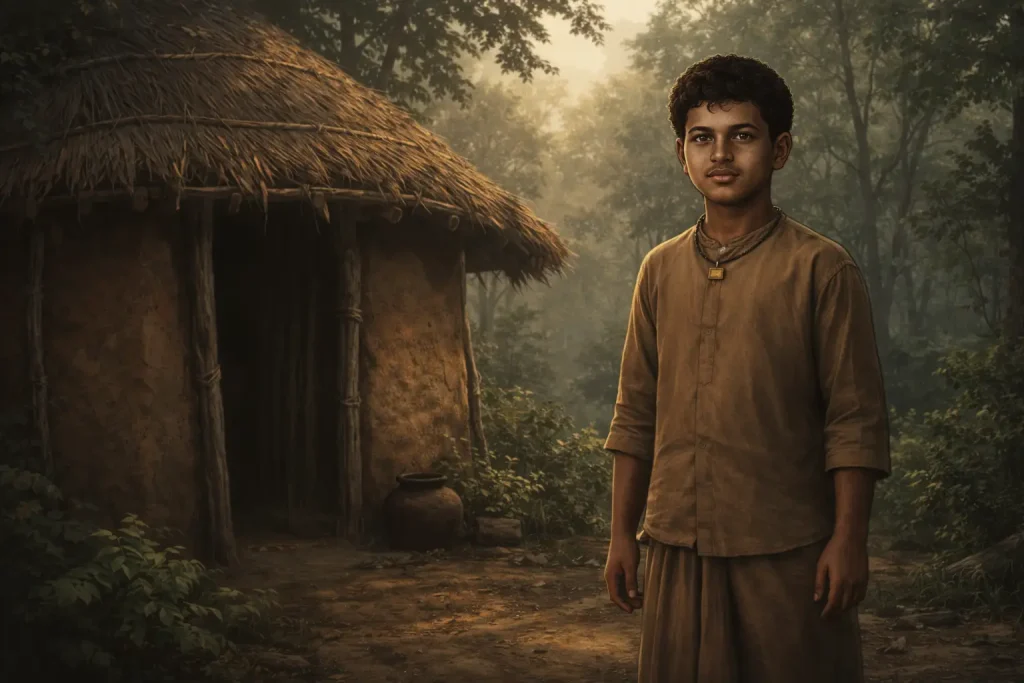
Family & Katkari Tribal Heritage
Born into a close-knit tribal community, his early life was shaped by simplicity, nature, and shared responsibility. Growing up amidst forests and traditional dwellings, he learned the values of unity, resilience, and respect for the land from a very young age. Daily life revolved around community bonds, collective work, and cultural practices passed down through generations. Elders played a vital role in guiding the youth, instilling moral strength, discipline, and a deep sense of belonging. These formative years laid the foundation of his character, nurturing courage, humility, and an unwavering connection to his roots—values that would later define his journey and purpose.

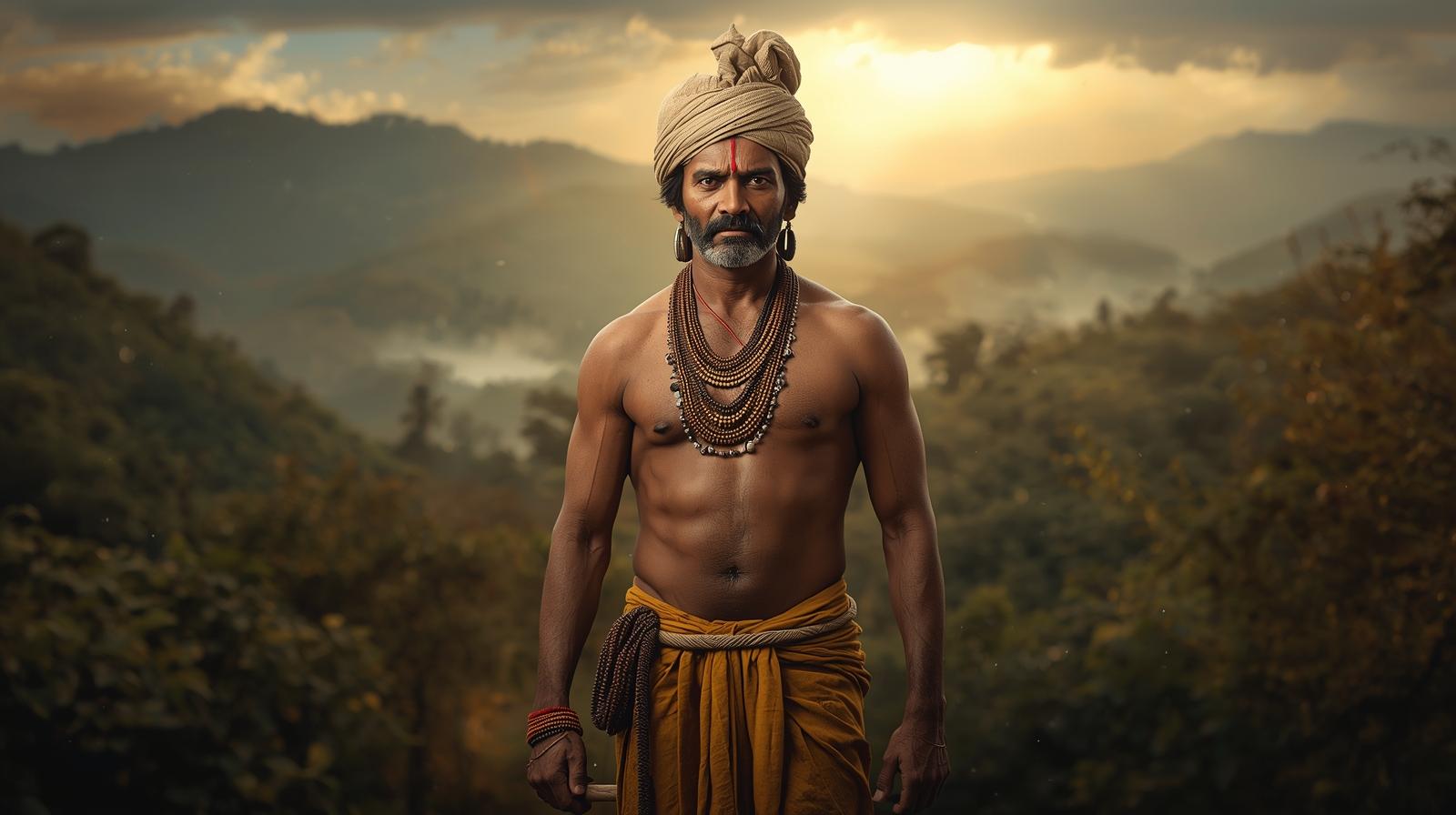
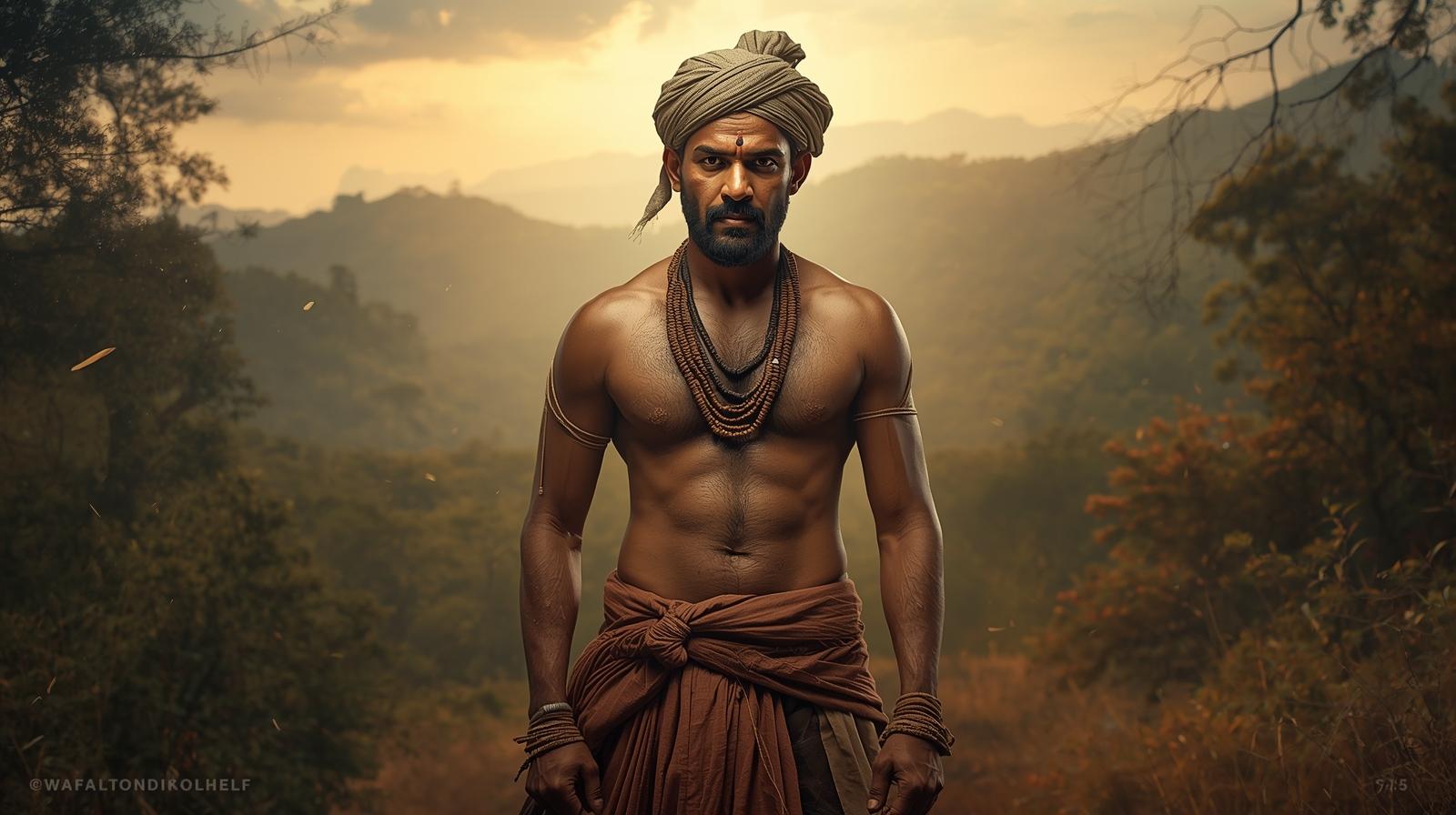
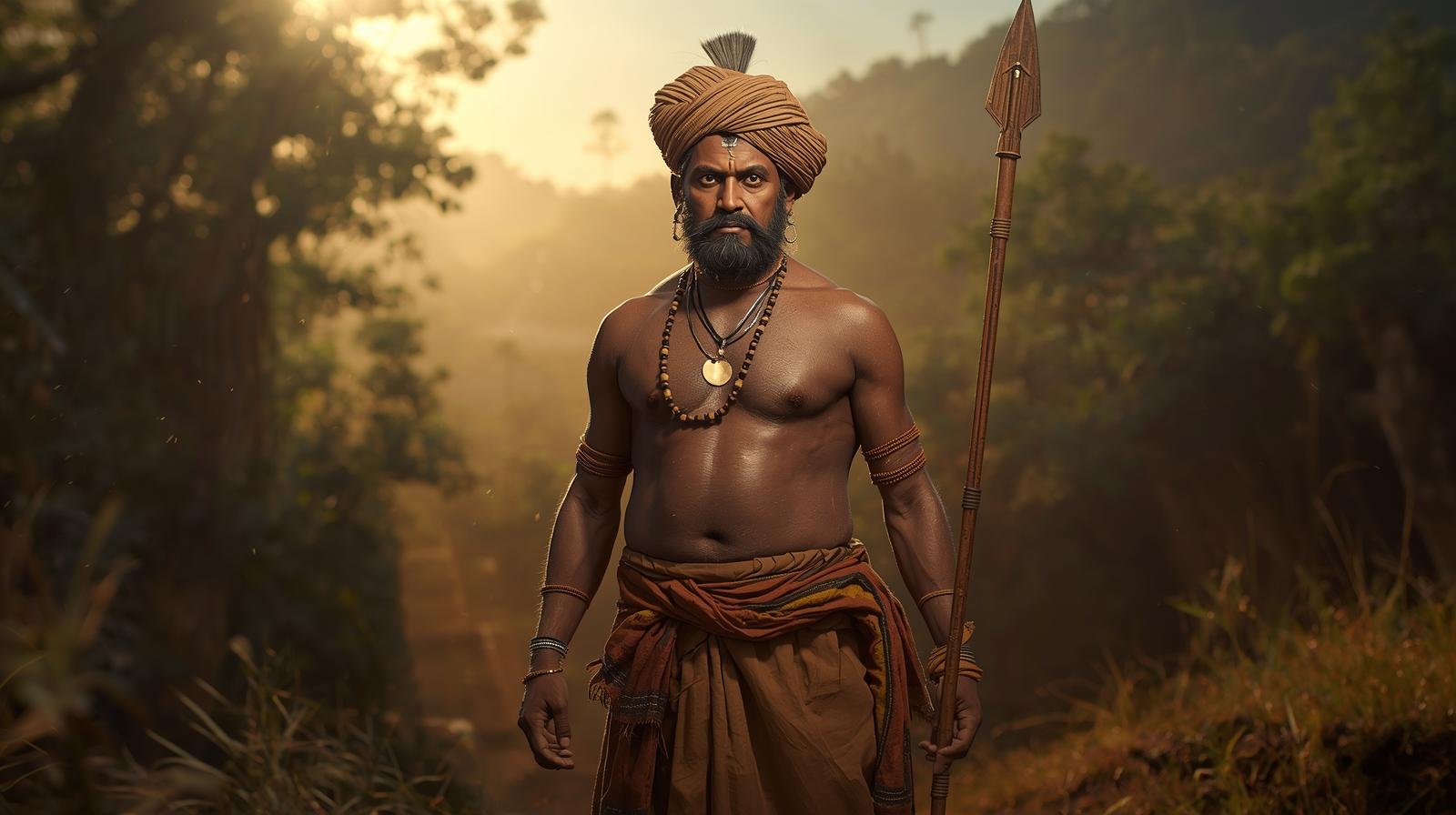
Growing up in a modest household, Nagya inherited values of courage, unity, hard work, and strong community bonds. The Katkari culture emphasized collective living, respect for elders, oral traditions, folk songs, and ancestral customs. Their spiritual practices were closely tied to nature, forests, and local deities, reflecting a harmonious relationship with the land.
However, during the colonial period, the Katkari community faced economic hardship, social marginalization, and exploitation under British forest laws and revenue systems. These oppressive conditions deeply influenced Nagya’s worldview and later shaped his resistance against injustice.His family background and tribal heritage played a crucial role in shaping his identity as a fearless leader who stood for the dignity, rights, and freedom of his people.
Rise as a Tribal Resister
Early Awareness
Growing up within the marginalized Katkari community, Nagya Mahadu Katkari witnessed firsthand the hardships caused by British forest policies and economic exploitation. Restrictions on forest access, forced labor practices, and unfair taxation deeply affected his people. These injustices awakened a strong sense.
Mobilizing the Community
Recognizing the growing frustration among the Katkari people, Nagya began organizing tribal families and youth. Through secret gatherings in forest clearings and village spaces, he encouraged unity, self-respect, and courage. His natural leadership and fearless attitude inspired others to stand together against colonial oppression.
Guerrilla Resistance
Using deep knowledge of forest terrain, Nagya and his companions adopted guerrilla-style resistance. They challenged colonial authority by disrupting exploitative systems and resisting unjust controls imposed on tribal livelihoods. His strategic use of the rugged landscape became a symbol of indigenous strength and defiance.