
Legacy & Historical Importance
- Legacy
- Legacy
Contribution to Tribal Freedom Struggles
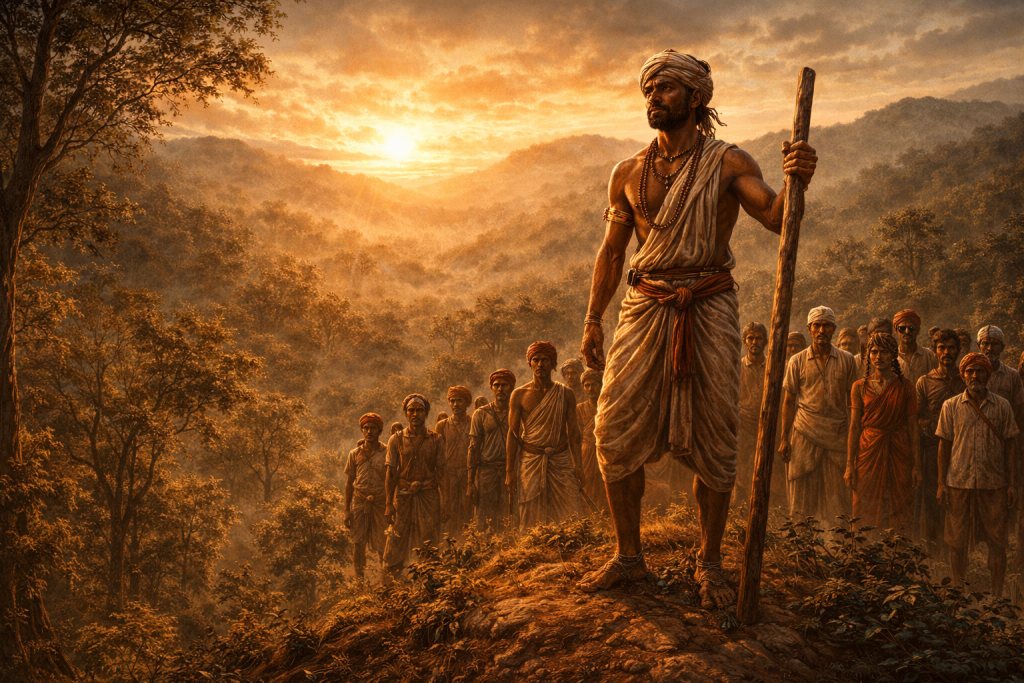
Nagya Mahadu Katkari made a significant contribution to the broader tribal freedom struggles of western India by transforming localized grievances into organized resistance. At a time when colonial forest laws and exploitative labor systems were severely affecting indigenous communities, he mobilized the Katkari people to defend their land, dignity, and traditional rights. His leadership demonstrated that tribal resistance was not isolated unrest, but part of a larger movement against injustice and foreign control.
Cultural & Regional Recognition
Local Tribal Remembrance
In many Katkari settlements across Maharashtra, the memory of Nagya Mahadu Katkari lives on through oral traditions and community storytelling. Elders recount his bravery during village gatherings, ensuring that younger generations understand his role in defending tribal dignity and forest rights. Folk songs, informal memorial meetings, and cultural programs continue to preserve his name. This grassroots remembrance reflects deep respect within the community.
Historical Acknowledgment
Within regional narratives of Maharashtra’s tribal resistance, Nagya Mahadu Katkari is recognized as an important figure who challenged colonial oppression. His contribution to defending forest-based livelihoods and mobilizing tribal unity is increasingly acknowledged in discussions of indigenous freedom movements. Educational initiatives, local publications, and social awareness programs highlight his sacrifice, helping integrate tribal struggles into broader regional history.
Symbol of Tribal Pride
Beyond historical records, Nagya’s legacy serves as a symbol of courage and cultural resilience for tribal communities. His life represents the spirit of self-respect, unity, and resistance against injustice. Community events and commemorative gatherings often invoke his ideals to inspire collective strength and social awareness. Through continued remembrance, he remains a cultural icon whose story reinforces identity, dignity, and the enduring value of tribal heritage.
Influence on Katkari Assertion Movements
Nagya Mahadu Katkari played a foundational role in shaping the spirit of assertion within the Katkari community. His resistance against colonial forest restrictions and exploitative systems was not limited to a single moment of defiance; it sparked a deeper awakening of identity and self-worth among his people. At a time when tribal communities were marginalized and denied recognition, Nagya’s leadership demonstrated that unity and organized action could challenge powerful structures. His efforts instilled confidence in the Katkari community, encouraging them to see themselves not as passive subjects but as rightful custodians of their land and traditions.
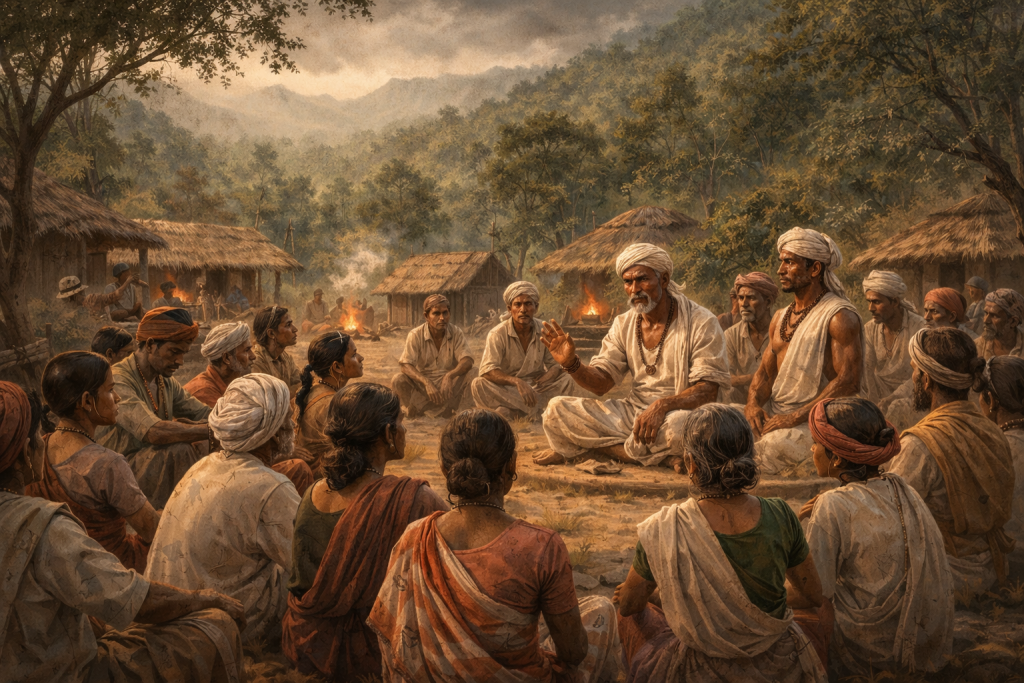
His influence extended beyond direct resistance activities. By strengthening traditional governance systems and encouraging collective decision-making, he reinforced internal solidarity. This framework later became essential for assertion movements that focused on land rights, social dignity, and cultural preservation. Nagya emphasized moral courage and disciplined organization rather than uncontrolled rebellion. This approach shaped future activism within the community, where structured dialogue, peaceful mobilization, and community consensus became key tools of assertion. His model showed that resistance could be rooted in cultural values and ethical conviction, rather than merely confrontation.
In the years that followed, Katkari assertion movements increasingly centered around reclaiming forest access, demanding fair treatment, and preserving traditional identity. Though historical circumstances changed, the foundational spirit remained connected to the ideals Nagya embodied. Community leaders drew inspiration from his sacrifice to mobilize people around issues of social justice and recognition. His martyrdom became a symbol that reminded future generations of the cost of silence and the power of unity. Oral traditions preserved stories of his bravery, ensuring that activism remained tied to ancestral pride.
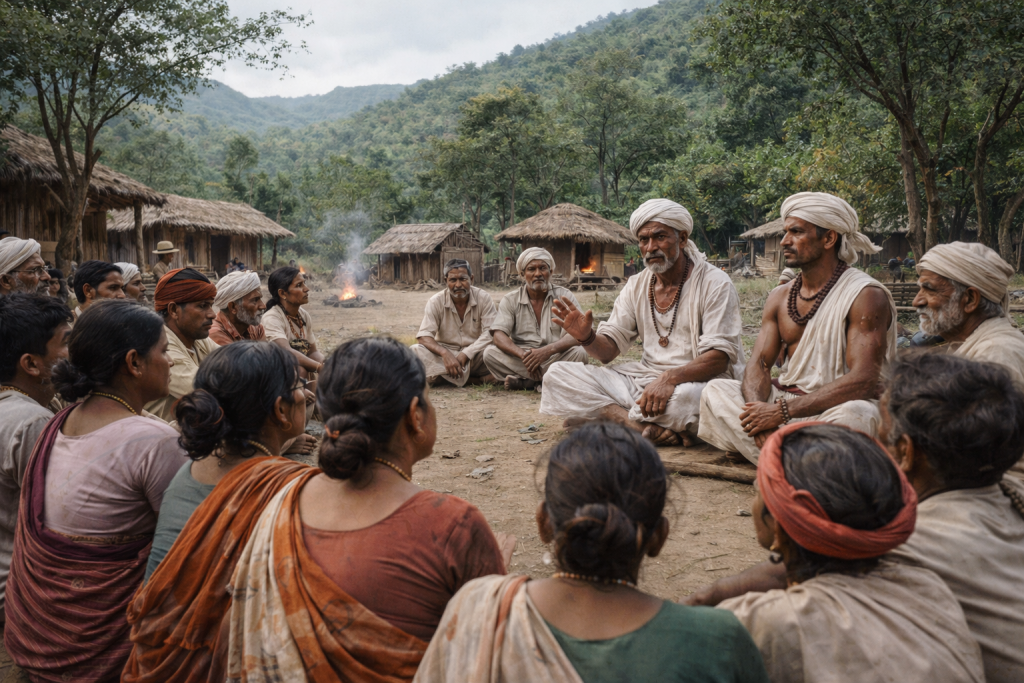
During the period of British colonial interference, this traditional governance system came under pressure. External laws disrupted local authority, particularly through forest regulations and administrative controls that ignored tribal decision-making processes. Despite these challenges, leaders like Nagya Mahadu Katkari relied on the strength of community structure to mobilize resistance. Meetings were organized discreetly within village gatherings, and communication spread through trusted family networks. The tribal governance model allowed swift collective action because decisions were already rooted in shared values and mutual trust. Even in the face of repression, the Katkari community’s governance framework preserved its cultural integrity and strengthened solidarity. Their system demonstrated that leadership was inseparable from community welfare, and resistance was not an individual act but a collective responsibility grounded in ancestral tradition.